Short answer: five days in Chengdu give you enough time for pandas, teahouse culture, Sichuan food, Sanxingdui and Dujiangyan without reducing the city to a checklist. Keep Sanxingdui and Dujiangyan on separate days. Use the final day for neighbourhoods and food, or replace it with Mount Qingcheng if your group enjoys mountain walking.
This itinerary suits first-time international visitors who want more than a panda stop. It also works for families and mixed-age groups because each day has one main purpose and a realistic recovery window.
The guide is prepared by 1st China Trip, the inbound travel brand supported by First Landing International Travel / 领拓国际旅行社(上海)有限公司. Our China-based team plans private journeys for international visitors and coordinates hotels, vehicles, English-speaking guides, attraction timing and multi-city connections.
Is five days too long for Chengdu?
No. Five days become excessive only when every day repeats the same type of sightseeing. Chengdu works as a five-day stay because the experiences change: wildlife in the panda base, daily life in parks and teahouses, ancient Shu archaeology at Sanxingdui, water engineering and mountain scenery at Dujiangyan, then food and neighbourhoods inside the city.
The extra time also protects the trip from predictable problems. Pandas are more active at some times than others. Museum visits take longer than expected. Summer heat and mixed-age families need rest. A five-day plan can absorb these variables without sacrificing the main route.
Where should you stay?
Choose a central hotel with straightforward vehicle access rather than selecting a hotel only because it sits beside one famous pedestrian street. Tianfu Square and the central districts work well for first visits. Areas near Taikoo Li suit travellers who want restaurants and evening activity, though traffic and crowds need attention.
Families should prioritise room size, breakfast, lifts, quiet sleep and short transfers. A beautiful boutique hotel can become inconvenient if vehicles cannot stop nearby or older travellers must carry luggage through narrow lanes.
Day 1: People's Park, a teahouse and the city's everyday rhythm
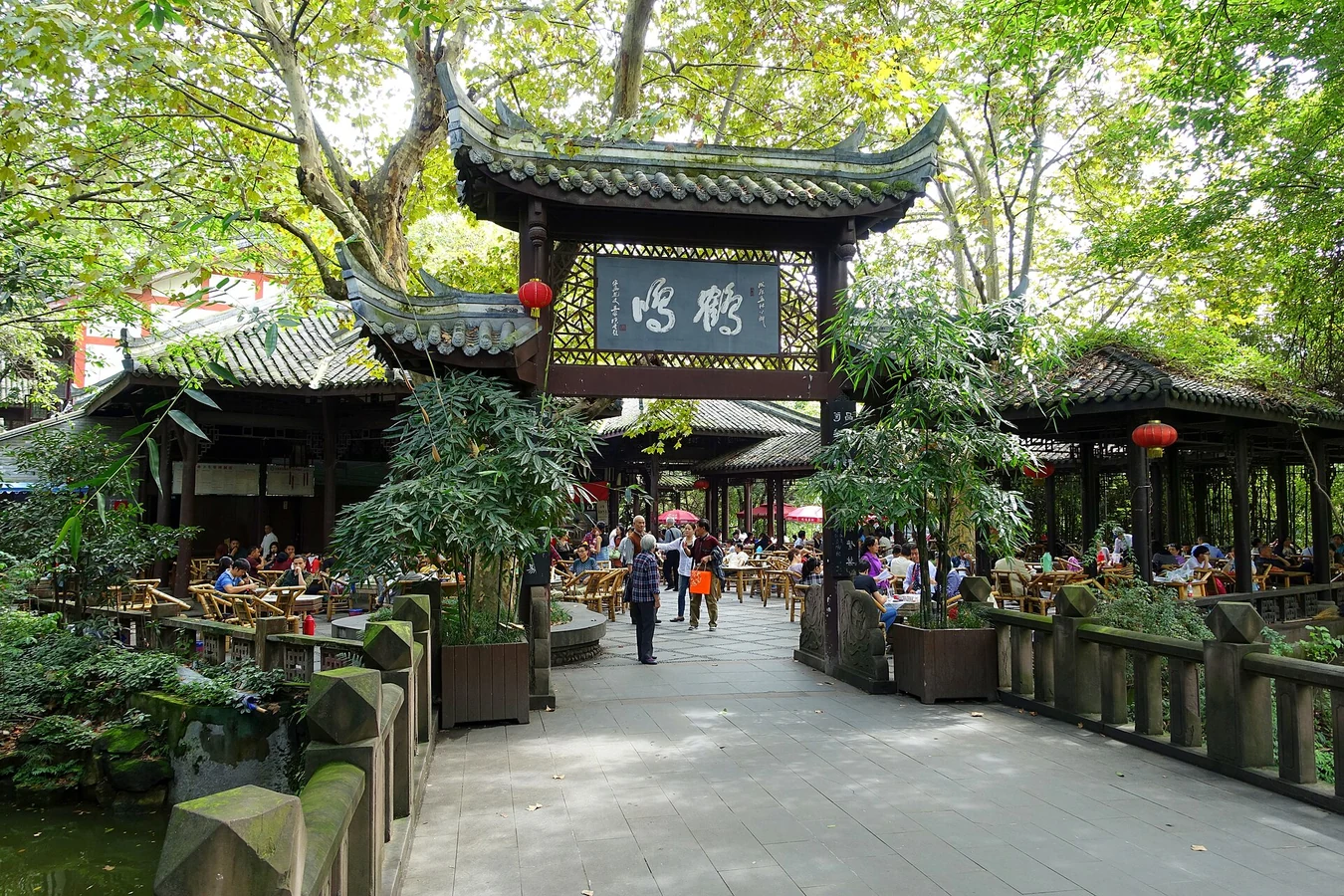
Keep the arrival day gentle. Start at People's Park and sit at a traditional teahouse instead of walking through several commercial streets. Tea is not a staged attraction in Chengdu. Local residents meet friends, play games and spend an unhurried afternoon there.
Continue with one neighbourhood walk and an early Sichuan dinner. The first meal should help the group understand ordering, spice levels and shared dishes. Travellers who cannot handle strong heat still have many options; tell the planner about allergies and spice tolerance before restaurants are chosen.
Avoid adding a major evening show after a long flight unless everyone feels rested. The first day should reset the group, not test its stamina.
Day 2: pandas early, then a lighter city afternoon

Visit the Chengdu Research Base of Giant Panda Breeding early. Pandas are animals, so no itinerary can promise specific behaviour. Temperature, season, crowd levels and animal welfare arrangements affect what you see.
The official base currently requires real-name ticket arrangements for most visitors. International travellers should carry the same valid travel document used for the booking. Ticket channels and admission rules can change, so verify the current official information before travel.
Keep the afternoon flexible. Good pairings include a temple area, a market, a quiet lane, a tea break or a food-focused experience. Do not follow the panda morning with a long cross-city race. Families often enjoy Chengdu more when the afternoon responds to the children's energy.
Day 3: give Sanxingdui a complete day
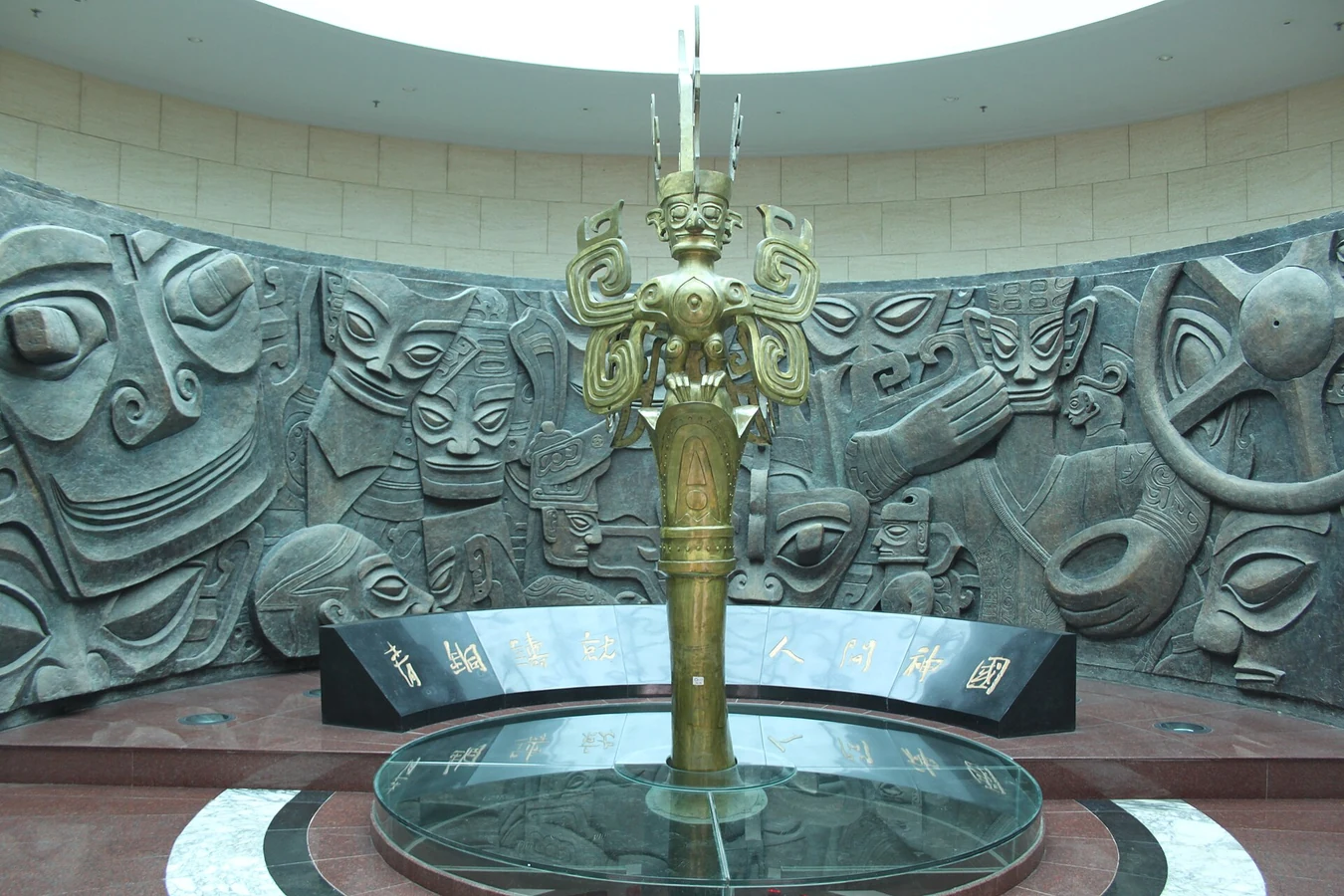
Sanxingdui deserves more than a quick museum stop. The bronze masks, sacred trees, monumental standing figure, birds and gold objects reveal an ancient Shu world that feels very different from Beijing's imperial architecture or Xi'an's terracotta army.
Travel time and museum scale make this a deliberate excursion. Leave enough time to understand the objects instead of photographing a few famous pieces and rushing back. Travellers who enjoy archaeology may want a guided narrative; children often respond better when the guide focuses on a small number of strange, memorable objects.
Do not combine Sanxingdui and Dujiangyan on the same day. The route may look possible on a map, but the result weakens both experiences.
Day 4: Dujiangyan, the old city and Nanqiao after dark
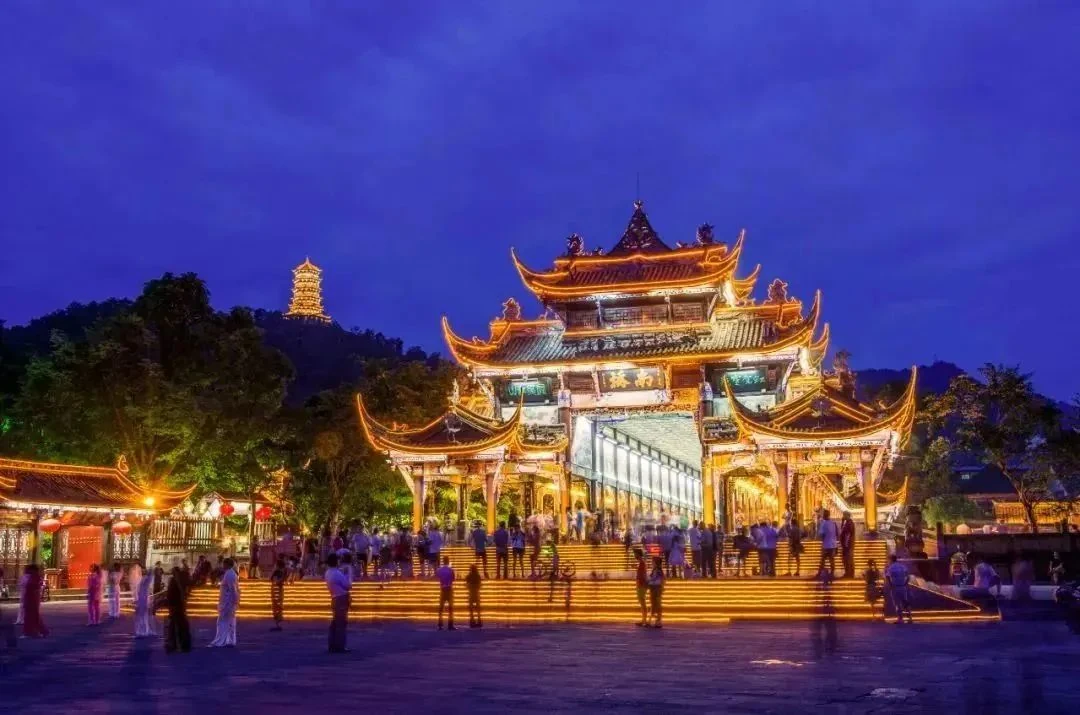
Dujiangyan adds outdoor scenery and a living engineering story. The irrigation system has shaped the Chengdu Plain for more than two thousand years and forms part of a UNESCO World Heritage property with Mount Qingcheng.
Walk according to the group's ability. Bridges, river viewpoints and heritage areas involve more movement than a museum day. Older travellers may need shorter walking sections and vehicle repositioning.
Stay into the evening if the schedule allows. Guanxian Ancient City and the illuminated Nanqiao riverside create a different atmosphere after dark. This is one reason to give Dujiangyan its own day rather than treating it as a short daytime add-on.
Day 5: food, neighbourhoods and the Chengdu you have not rushed through
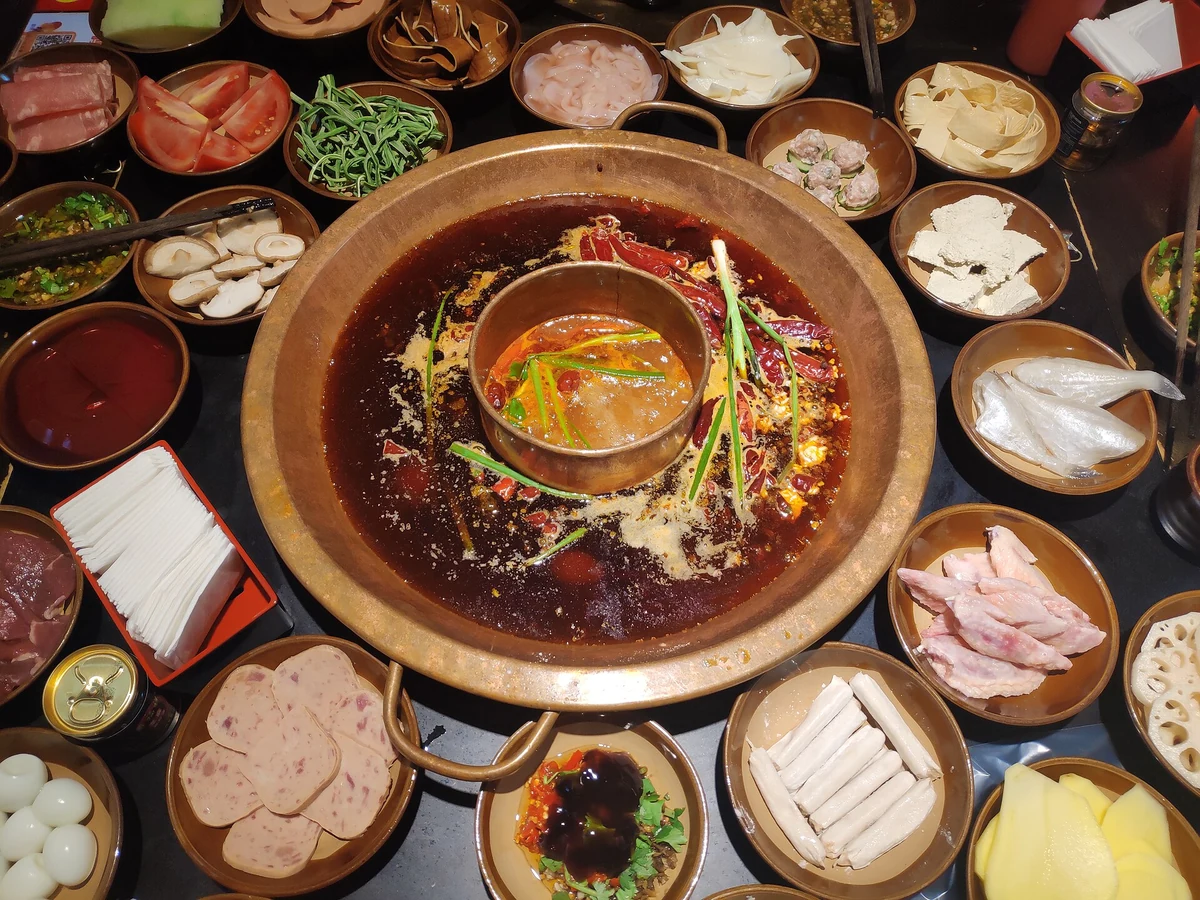
Use the final day inside Chengdu. Build it around a market, a cooking experience, a local lunch, a neighbourhood walk and time to return to a favourite teahouse or shop. This day makes the itinerary feel personal because it follows what the group discovered during the first four days.
Food travellers can compare hotpot with noodles, dumplings, snacks and home-style dishes. A divided hotpot broth helps mixed groups, but one hotpot meal should not represent all Sichuan cuisine.
Active travellers may replace this day with Mount Qingcheng. Qingcheng offers green scenery, Taoist heritage and more sustained walking. Confirm steps, weather and physical comfort before making the swap. Families and older travellers often gain more from a relaxed city day.
What should you book in advance?
- panda-base admission using the correct travel document;
- Sanxingdui admission and transport;
- English-speaking guides during busy travel periods;
- suitable vehicles for children, luggage or mobility needs;
- restaurants or food experiences that must accommodate allergies;
- train or flight connections before and after Chengdu.
Opening hours, booking windows and document rules change. Use official sources for final confirmation rather than relying on an old screenshot or a social-media post.
Common mistakes in a five-day Chengdu trip
Staying beside a famous street without checking access
Central does not always mean convenient. Check vehicle access, noise, luggage movement and the actual transfer time to your planned sights.
Packing Sanxingdui and Dujiangyan into one day
Each place deserves its own rhythm. Combining them turns archaeology and landscape into transfer time.
Treating every meal as a spice challenge
Plan variety. Sichuan food includes fragrance, fermentation, texture and shared dining, not only chilli heat.
Adding Qingcheng without discussing walking
Mountain scenery comes with steps and weather exposure. Keep it optional until the group confirms its comfort level.
Who should choose this itinerary?
Choose it if you want pandas, archaeology, food and city life in one destination. It suits families, history travellers and visitors who want a softer chapter between faster cities such as Beijing and Shanghai.
Travellers with only three days should use the shorter Chengdu planning guide. Visitors comparing the two main excursions can read Sanxingdui and Dujiangyan near Chengdu.
How 1st China Trip can tailor the route
First Landing International Travel / 领拓国际旅行社(上海)有限公司 operates the 1st China Trip service for international visitors. The team can adjust the route around arrival time, hotel level, children's ages, walking comfort, food preferences and onward travel.
We do not use one fixed five-day package for every group. After you provide dates, party size, hotel expectations and priorities, a consultant can prepare a route for discussion and quotation.
Start with the Chengdu private journey or tell the AI itinerary assistant what kind of trip you want.
Frequently asked questions
Can I include both Sanxingdui and Dujiangyan in five days?
Yes. Put them on separate days and protect enough time for Chengdu itself.
Should I add Mount Qingcheng as well?
Use Qingcheng as a Day 5 replacement when the group enjoys mountain walking. Adding it on top of every other activity can make the itinerary rushed.
Is this route suitable for children?
Yes, with an early panda visit, shorter museum storytelling, flexible afternoons and realistic meal times. Younger children may need a city-rest day instead of Qingcheng.
Can I combine Chengdu with Chongqing or Xi'an?
Yes. The best sequence depends on transport schedules, arrival cities and the group's pace.
Official references
- Chengdu Research Base of Giant Panda Breeding: https://www.panda.org.cn/en/
- Sanxingdui Museum: https://www.sxd.cn/
- UNESCO, Mount Qingcheng and the Dujiangyan Irrigation System: https://whc.unesco.org/en/list/1001/
Published by 1st China Trip. Updated 24 August 2026. Verify current opening hours, reservations and entry rules before travel.