Four days is a compact but workable minimum for Lijiang and Shangri-La. It works best when the transfer day includes Tiger Leaping Gorge, the first Shangri-La evening stays gentle for altitude adjustment, Pudacuo and the return to Lijiang share one carefully timed day, and Jade Dragon Snow Mountain receives a full day of its own. Add a fifth day if the group prefers slow mornings, has limited walking ability or is uncertain about altitude.
The question is not whether both places fit on a map. It is whether the route still feels like a journey after road time, changing elevation, scenic-area transport, meals and check-in are counted honestly. A four-day plan should have one main job each day. It should not promise every famous sight.
This route has been structured by 1st China Trip and is operated in China by Shanghai-based First Landing International Travel/领拓国际旅行社(上海)有限公司. The team uses the route as a customizable starting point, not as a fixed package.
Who is the four-day route suitable for?
Four days suits couples, friends and small private groups who value mountain scenery and living culture, can manage moderate scenic walking, and accept that weather may change the exact order. It is also a useful first version for travellers arriving in Lijiang and departing from Lijiang after a compact northwest Yunnan section.
Five days is the stronger choice for families with young children, older travellers, guests with mobility limitations, photography-focused groups, and anyone without previous high-altitude experience. The extra day can become an acclimatization buffer, a quieter Lijiang or Baisha day, or insurance against mountain weather.
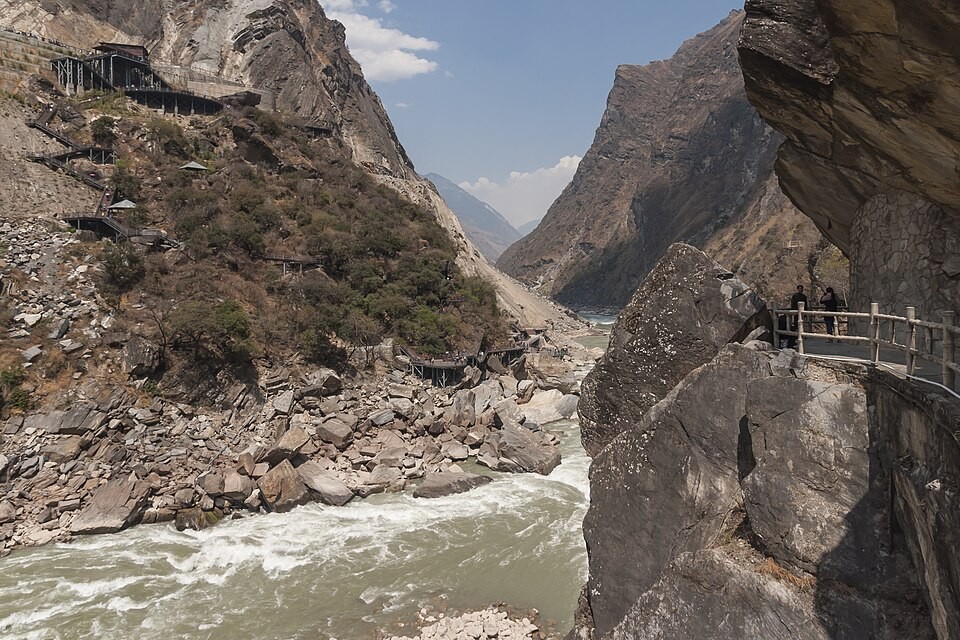
Day 1: Lijiang to Tiger Leaping Gorge and Dukezong
The first day should connect landscapes rather than stack attractions. Travel from the Lijiang area towards Tiger Leaping Gorge, choose a viewpoint or walking section appropriate to the group, then continue to Shangri-La. Road time is part of the day and should appear in the plan.
After arriving at Dukezong, keep the evening light. A short old-town walk and an early rest are usually more sensible than a performance, long dinner and late-night photography on the first highland evening. Shangri-La city is commonly described at roughly 3,200 metres above sea level, so the group’s health history and previous altitude experience matter.
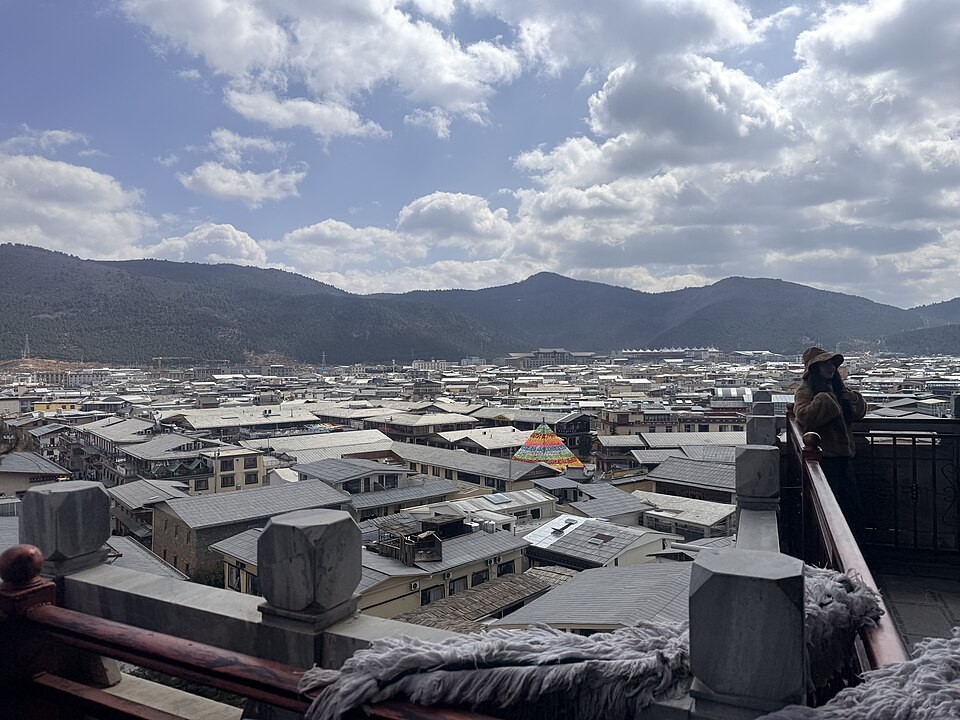
Day 2: Pudacuo, then return to Lijiang
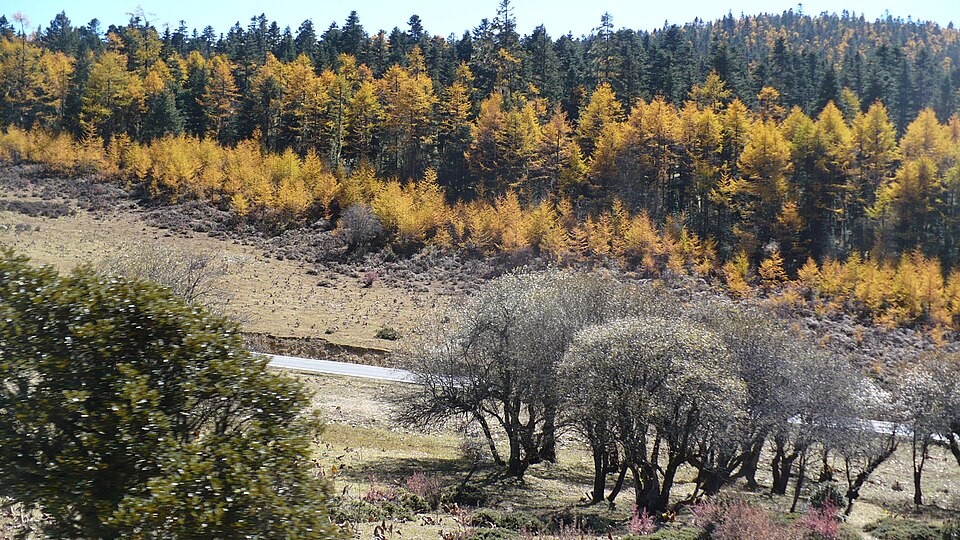
Use the morning for Pudacuo’s lake, forest and highland scenery. The park experience includes internal movement and walking, so a realistic plan must allow for changing weather, layers of clothing and time inside the scenic area. The Shangri-La municipal government identifies Pudacuo, Bita Lake and Shudu Lake among the area’s core highland tourism resources.
Return to Lijiang later in the day. If timing and energy permit, Black Dragon Pool or a calm old-town evening can follow. Do not make a late return compete with a long sightseeing list.
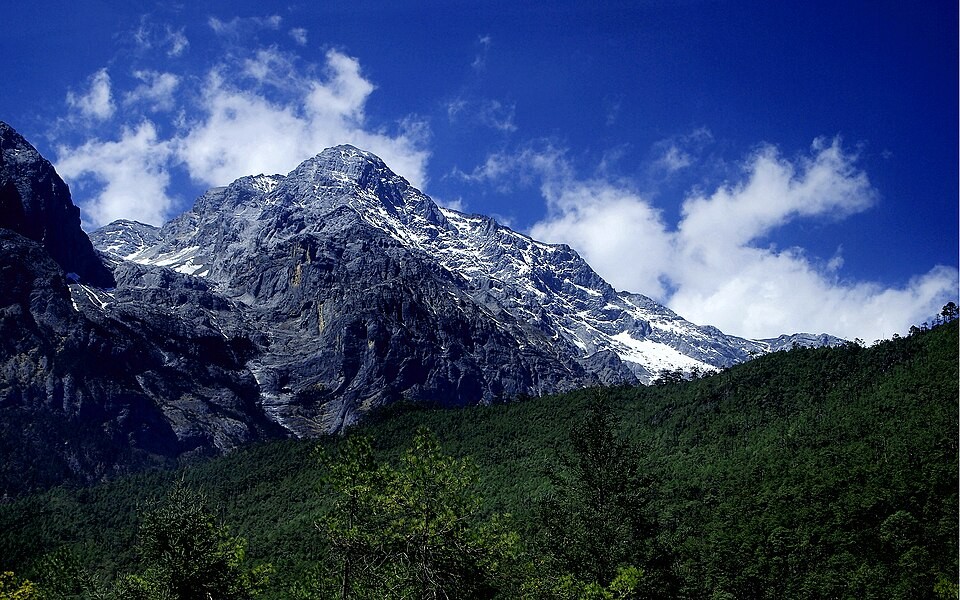
Day 3: Give Jade Dragon Snow Mountain a full day
Jade Dragon Snow Mountain should not be treated as a quick stop. Cableway inventory, weather, altitude comfort, Blue Moon Valley and optional performances have to be coordinated as one mountain day. A responsible itinerary does not guarantee a particular summit or cableway experience before availability and operating conditions are confirmed.
Travellers concerned about elevation can use a lower-intensity version focused on viewpoints and Blue Moon Valley. The decision should be made around the people travelling, not around a generic list of inclusions.
Day 4: A quieter Lijiang before departure
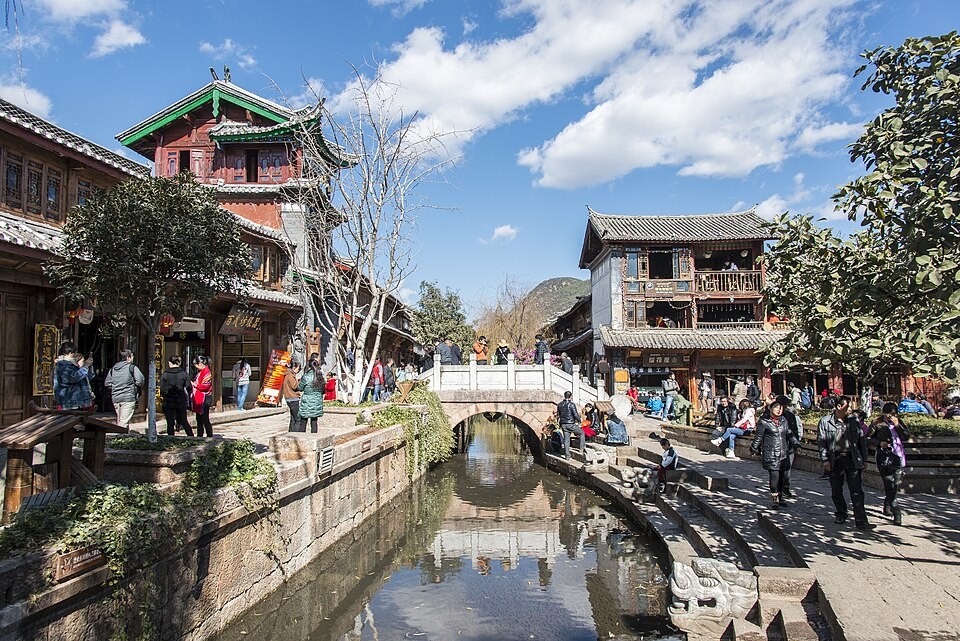
The final morning should respond to the departure schedule. Options include a quieter old-town lane, Baisha, a mountain-view pause, a market or direct airport transfer. UNESCO describes the Old Town of Lijiang as three connected components: Dayan, Baisha and Shuhe. That is a useful reminder that Lijiang is more than one crowded pedestrian street.
If the flight or train leaves early, do not force a final attraction. A calm breakfast and reliable transfer can be the better ending.
Three mistakes that make four days feel rushed
1. Hiding the transfer time
Lijiang, Tiger Leaping Gorge and Shangri-La are connected by a real journey. Treating the road as empty time creates late arrivals and unrealistic meals.
2. Filling the first highland evening
The first evening should protect rest and observation. Altitude affects travellers differently, and the itinerary should retain an easy fallback.
3. Promising mountain inventory too early
Cableways, performances and some scenic arrangements are date-sensitive. The route can be discussed first, but the confirmed service must follow actual availability.
How many nights should you spend in each place?
For this compact sequence, one night in Shangri-La and two nights in Lijiang is workable when arrival and departure times cooperate. A five-day version can add another Shangri-La night for gentler acclimatization or another Lijiang night for Baisha, Shuhe or a weather buffer. Hotel names should only be confirmed after dates, room configuration and service expectations are known.
Frequently asked questions
Is four days enough for Lijiang and Shangri-La?
Yes, as a compact first visit. Four days should cover a highland transition, Pudacuo, one complete Jade Dragon Snow Mountain day and a flexible Lijiang departure morning. It is not enough for every attraction.
Should I visit Tiger Leaping Gorge on the transfer day?
It can be an efficient and meaningful sequence when the chosen viewpoint or walk matches the group. A long hike should not be inserted without changing the rest of the day.
Is the route suitable for children or older travellers?
It can be adjusted, but altitude, walking, stairs, road time and medical history must be discussed. A fifth day and lower-elevation alternatives are often more comfortable.
Can the journey continue to Dali?
Yes. Dali is a logical extension, but it should add time rather than replace rest inside the four-day highland plan.
How First Landing adjusts the route
Share the travel month, group size, walking ability, previous altitude experience, arrival and departure points, room requirements and guide language. First Landing can then adjust private transport, guides, hotels, ticket planning and the balance between mountain scenery and cultural time.
View the customizable Shangri-La and Lijiang journey or organize a trip brief with the AI assistant.
Sources and image credits
- UNESCO World Heritage Centre: Old Town of Lijiang
- Shangri-La Municipal Government: tourism resources
- Images: CEphoto, Uwe Aranas; 祝鱼贵; Colin W; Ma Martin; chensiyuan via Wikimedia Commons, CC BY-SA 3.0/4.0.