Short answer: Both can be considered for travellers with limited mobility, but they are not equally easy. Sanxingdui is mainly an indoor museum visit and is easier to pace with rest breaks. Dujiangyan is an outdoor heritage landscape with more walking, steps and weather exposure; only a shortened route may suit some wheelchair users. Confirm current facilities, drop-off points and route restrictions before travel, and do not compress both places into one day.
Decide first, then build the day
Check these five mobility conditions first
Chengdu has enough to fill three or four days inside the city, but these two nearby excursions reveal parts of Sichuan that the city centre cannot. Sanxingdui changes how many visitors understand ancient China. Dujiangyan shows how a water system created more than two thousand years ago still shapes the Chengdu Plain. Together, they add both cultural depth and outdoor variety to a first Chengdu journey.
This guide is prepared by 1st China Trip, the inbound travel brand supported by First Landing International Travel / 领拓国际旅行社(上海)有限公司. Our local team plans private China journeys for international visitors and helps travellers fit both excursions into a comfortable route when time, mobility and season allow.
Sanxingdui: meet an ancient civilization unlike any other
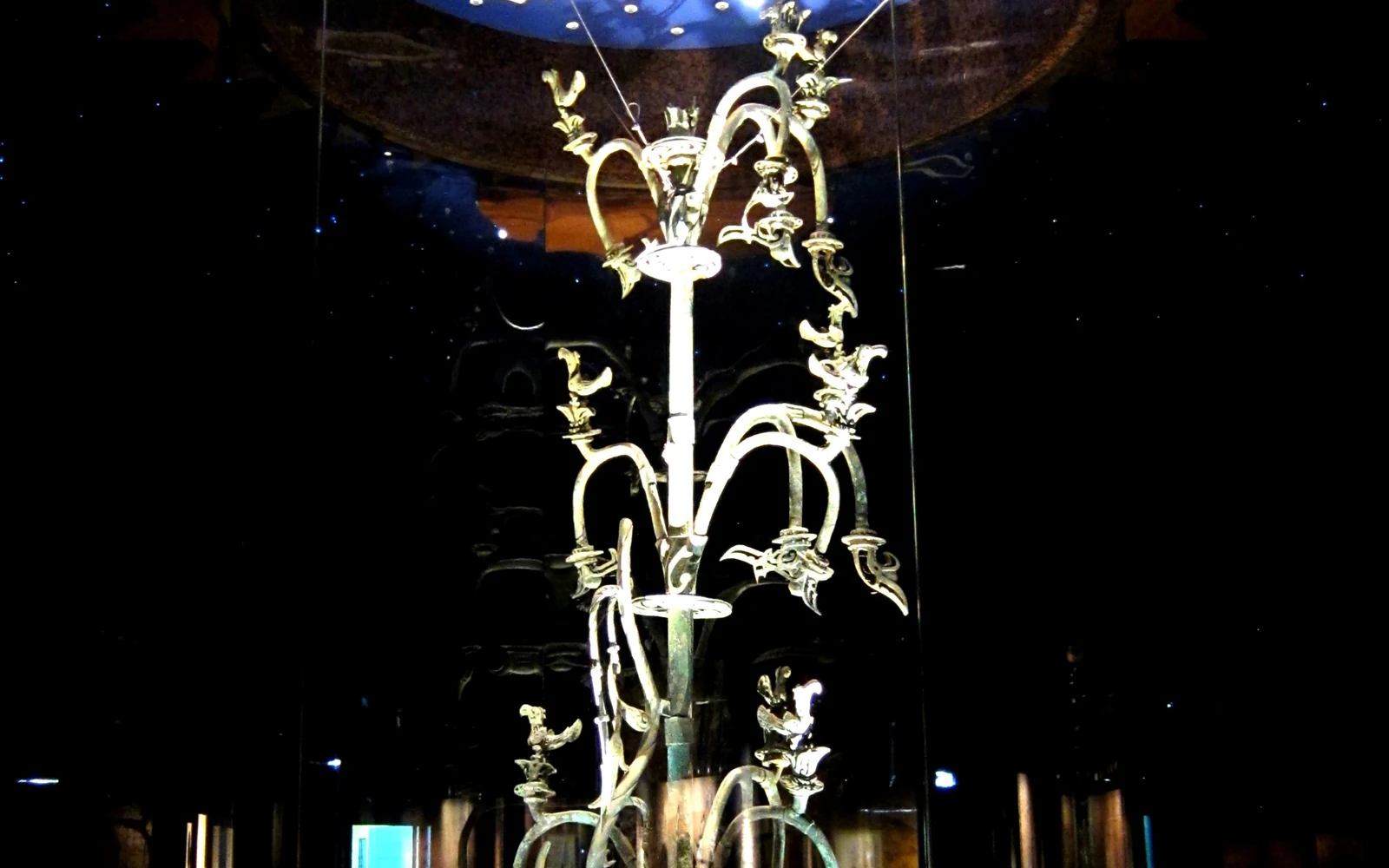
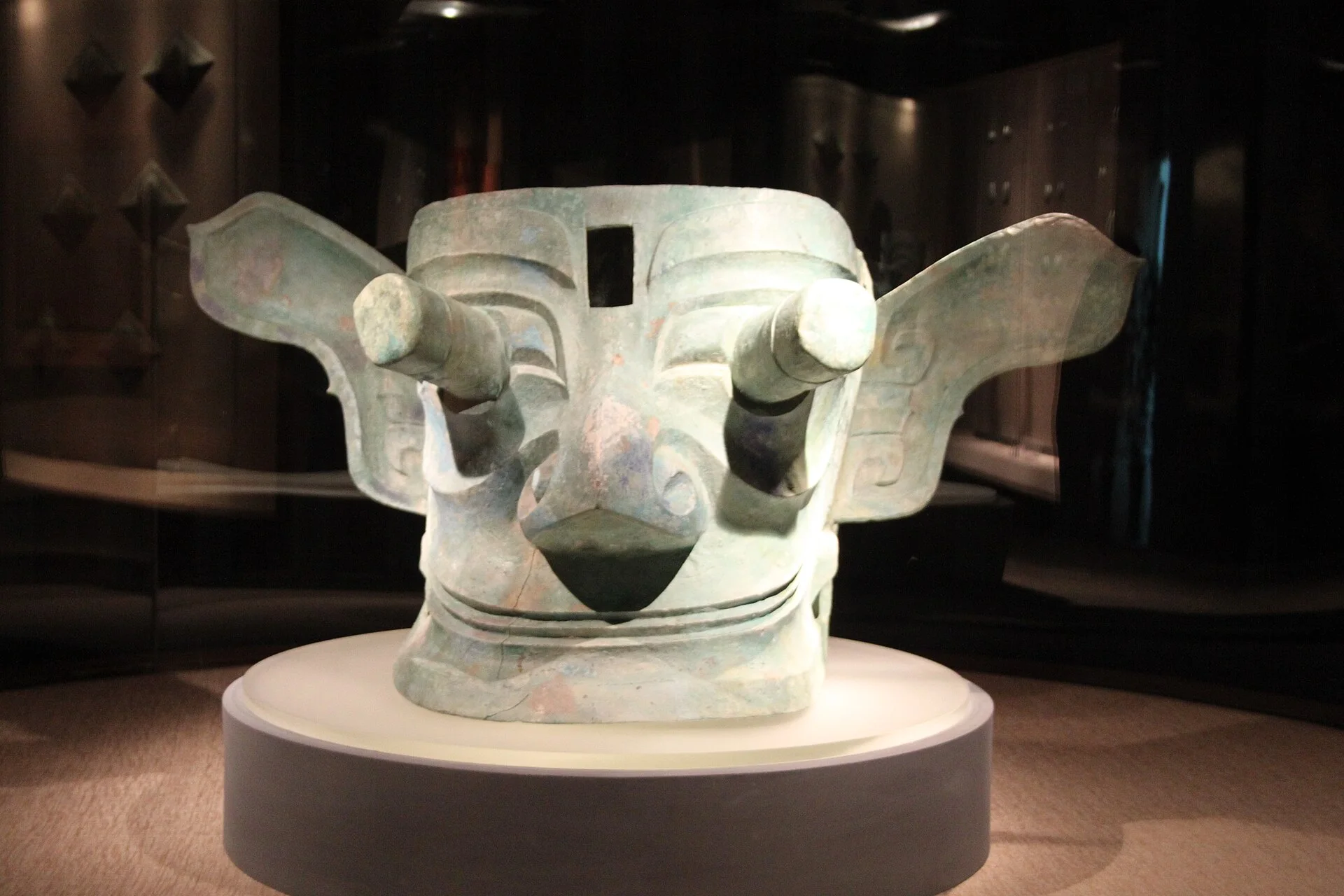
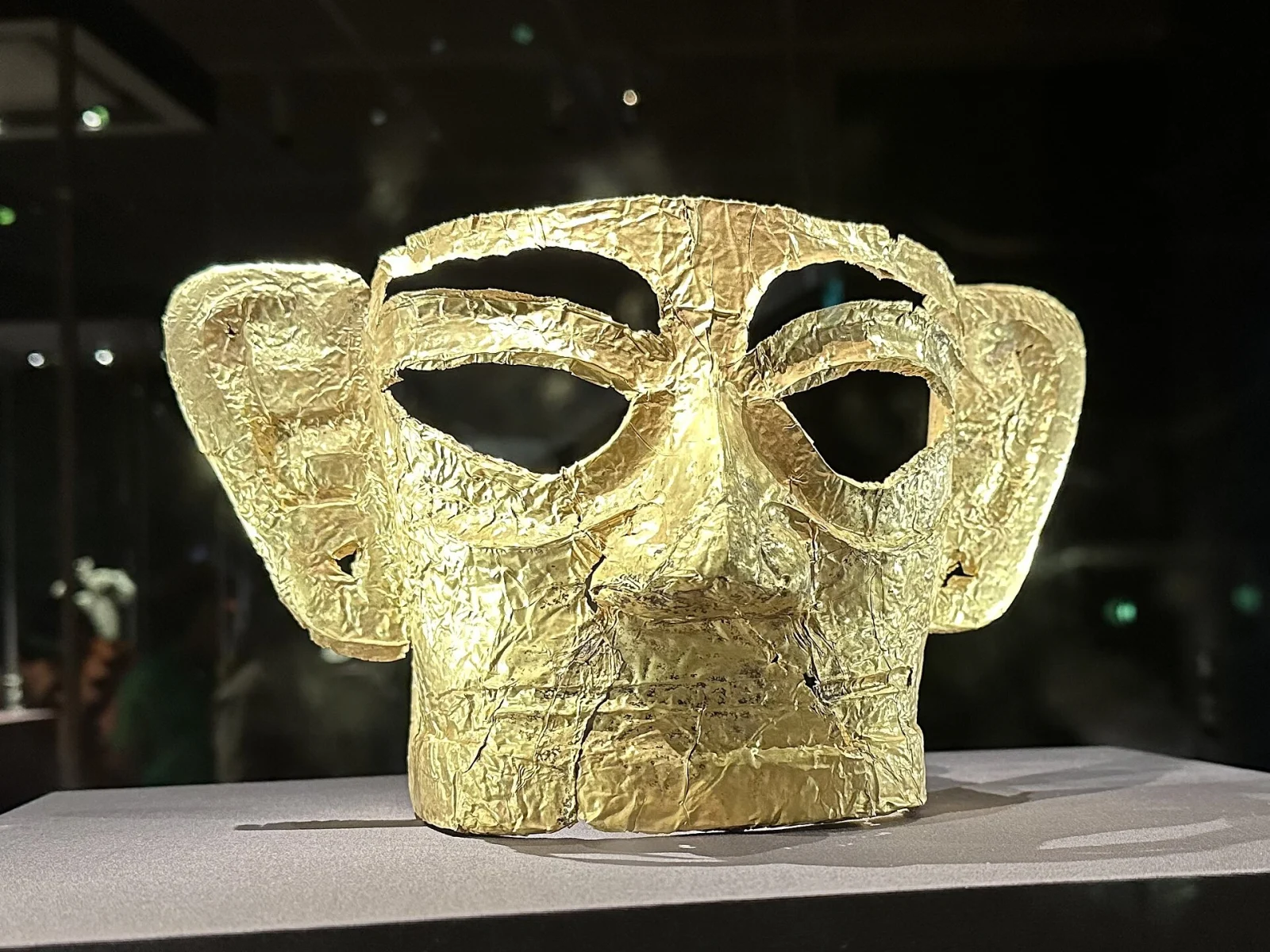
Sanxingdui is not another imperial palace or dynastic capital. Its extraordinary bronze masks, gold objects, ritual vessels and human figures come from the ancient Shu civilization of southwest China. That difference is exactly why the museum can be so memorable after Beijing or Xi'an: it introduces a visual language that many first-time visitors have never associated with early China.
The experience is museum-centred. Most of the intellectual and emotional impact comes from seeing the objects at close range, understanding the excavation story and allowing enough time for the scale and strangeness of the bronzes to register. It suits travellers who enjoy archaeology, art, museums, early civilizations and questions that do not have simple answers.
Sanxingdui is also a practical choice when the weather is hot, wet or unpredictable because much of the visit is indoors. It can work for mixed-age families, provided children are comfortable with a substantial museum visit and the adults do not expect an entertainment attraction.
Sanxingdui is best for
- archaeology and museum travellers;
- visitors already seeing Beijing or Xi'an who want a different historical chapter;
- families with older children who respond to dramatic objects and mysteries;
- travellers who prefer controlled indoor walking to a long outdoor route;
- photographers interested in form, detail and exhibition design, subject to museum rules.
It may be less suitable if
- your group quickly loses interest in museums;
- you want mountain scenery or a day mostly outdoors;
- you only have one spare half-day and cannot protect enough time for transport and the galleries.
Dujiangyan: walk through a living landscape
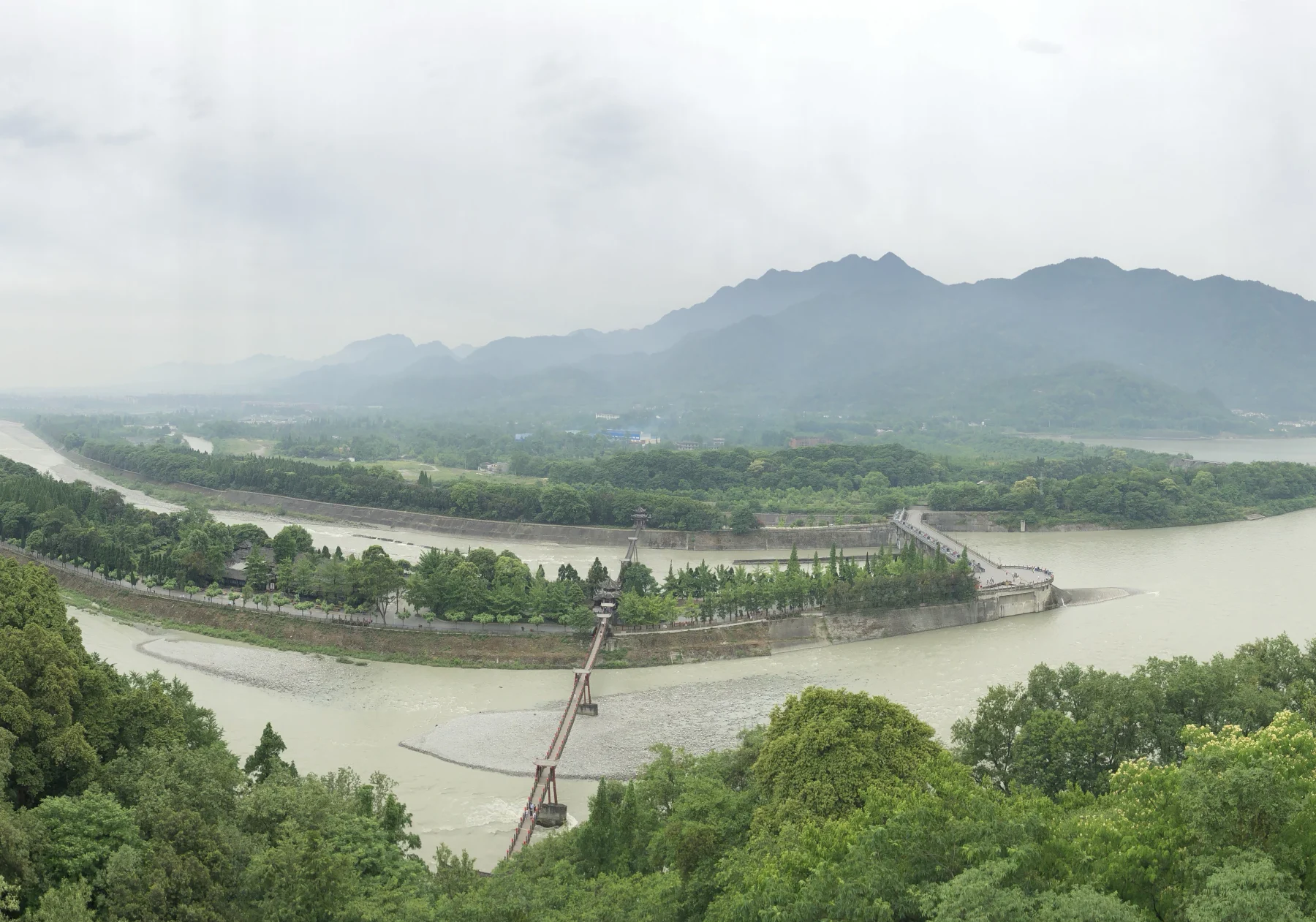
Dujiangyan is a UNESCO World Heritage property with Mount Qingcheng. The irrigation system was created in the third century BCE and continues to regulate the Minjiang River and irrigate the Chengdu Plain. Its importance is not just its age. Visitors can read the system through the landscape: the Yuzui water-dividing dyke, Feishayan spillway and Baopingkou channel work together without relying on a conventional dam.
That makes Dujiangyan a more physical and varied day. You move between river views, bridges, paths, temples or historic structures and different vantage points over the water system. The engineering becomes understandable because you can see how the river is divided and directed.
Dujiangyan suits travellers who like history but do not want to spend the whole day inside a museum. It also gives Chengdu itineraries a greener visual break. Walking conditions, stairs, heat and rain matter more here than at Sanxingdui, so the route should be adjusted for children, older travellers and anyone with limited mobility.
Dujiangyan is best for
- travellers who enjoy landscapes, walking and heritage engineering;
- families who prefer a day with changing scenery;
- visitors who want photographs that connect mountains, river and historic architecture;
- travellers interested in how ancient systems still support modern life;
- people who may combine the heritage area with a gentle old-town or food stop, when timing allows.
It may be less suitable if
- heavy rain, summer heat or mobility concerns make outdoor walking difficult;
- you want a focused archaeology day;
- your schedule only allows a rushed visit between transfers.
How can you include both in one Chengdu trip?
The best approach is to place them on separate days. This is not because travellers must choose one over the other, but because the two experiences reward different kinds of attention.
Sanxingdui needs attention inside the galleries. Dujiangyan needs time to walk, see the river from more than one angle and understand the system. Combining them into the same day often creates a long transport schedule with a shortened museum and a superficial outdoor stop.
With five days in Chengdu, both can usually be discussed as separate excursions while still keeping meaningful time in the city. With four days, one may need to be prioritised according to the rest of the China itinerary. A longer Sichuan stay makes it easier to include both without sacrificing Chengdu's pandas, neighbourhoods, food and teahouse rhythm.
How should a private day be structured?
A Sanxingdui day
Start from the Chengdu hotel with enough margin for traffic and the museum's reservation or entry procedures. Use the main part of the day for the galleries rather than building a complicated chain of stops around them. Lunch and a lighter return-to-Chengdu experience can be adjusted to the group's energy.
A Dujiangyan day
Start early enough to avoid turning the heritage route into a midday rush. A guide should explain the three core components before or while the group moves through the site. The walking direction, rest points and optional old-town stop should respond to weather and mobility rather than follow a rigid checklist.
Private transport is usually the simplest option for families and mixed-age groups because it controls departure time, rest windows and the return journey. Rail and local taxi combinations may also be possible, but schedules, station choice, ticket rules and the final connection should be checked for the actual travel date.
Common accessibility planning mistakes
Thinking each place is only one famous image
The bronze mask is not the whole Sanxingdui experience, and the river panorama is not the whole Dujiangyan experience. Sanxingdui contains an entire visual world of trees, figures, birds, masks and gold. Dujiangyan unfolds through bridges, water, paths, old architecture and changing viewpoints.
Treating both as quick add-ons
Each sits outside central Chengdu and each needs context. A short stop may produce a photograph but not understanding.
Treating them as interchangeable
They complement each other. Sanxingdui adds the strongest cultural surprise; Dujiangyan provides an outdoor counterpoint. The value comes from including both with the right pacing, not deciding which one is universally better.
Forgetting current reservations and conditions
Opening hours, ticketing, passport procedures, maintenance and transport arrangements can change. Check official information shortly before travel and avoid building a quotation around unverified assumptions.
What should you confirm with a local China travel operator?
For a first Chengdu trip, treat Sanxingdui and Dujiangyan as two high-value extensions rather than competing attractions. If the trip has enough days, keep both: one day for the ancient Shu world, and another for the river landscape and living engineering system.
The exact order and pacing still depend on the people travelling. A local planner should ask about children's ages, museum tolerance, walking comfort, season, hotel location and what the group has already seen elsewhere in China.
First Landing International Travel / 领拓国际旅行社(上海)有限公司 operates the 1st China Trip service for international visitors. We can coordinate private vehicles, English-speaking guides, attraction timing, Chengdu hotels and multi-city connections after dates, party size and travel priorities are clear.
Start with our Chengdu private journey or tell the AI itinerary assistant how many days you have and whether you would like to include both excursions.
Sanxingdui and Dujiangyan accessibility FAQs
Is Sanxingdui suitable for children?
It can be excellent for children who like mysteries, dramatic masks and archaeology. For younger children or museum-resistant groups, shorten the explanatory detail and protect breaks.
Is Dujiangyan physically demanding?
The day can involve outdoor walking, steps and changing weather. A private route can reduce unnecessary backtracking, but mobility should be discussed before the itinerary is fixed.
What if the weather is poor?
Sanxingdui is generally easier to protect in rain or strong heat because the core experience is indoors. Dujiangyan depends more on outdoor conditions and visibility, so a private itinerary can adjust the order of the two days when forecasts change.
How many days do I need in Chengdu if I want a day trip?
Four days are a comfortable minimum for Chengdu's city experiences plus one substantial excursion. Five days make it much easier to include both Sanxingdui and Dujiangyan without losing the city's pandas, food and relaxed rhythm.
Official planning references
- UNESCO World Heritage Centre: Mount Qingcheng and the Dujiangyan Irrigation System.
- Sanxingdui Museum: official visitor information and current ticket procedures.
- China Daily government services: Sanxingdui Museum overview and visitor information.
Published by 1st China Trip. Updated 14 September 2026. Opening hours, reservations, prices and entry procedures can change; verify current official information before travel.