Short answer: Allow three full days for Shanghai’s essential city layers, four days if you want time for neighbourhood walks, museums and food, or five days if Shanghai will be your base for one Jiangnan day trip. A first visit should combine the Bund and Pudong skyline with the Former French Concession, Yu Garden and the Old City, shikumen lanes, and one slower local area such as Suzhou Creek.
Choose by travel style
Should you spend 3, 4 or 5 days in Shanghai?
Bund + Pudong, Old City + Yu Garden, and one Former French Concession day.
Add a museum, Suzhou Creek or M50 without rushing meals and neighbourhood walks.
Keep four city days and add one well-chosen Jiangnan day trip.
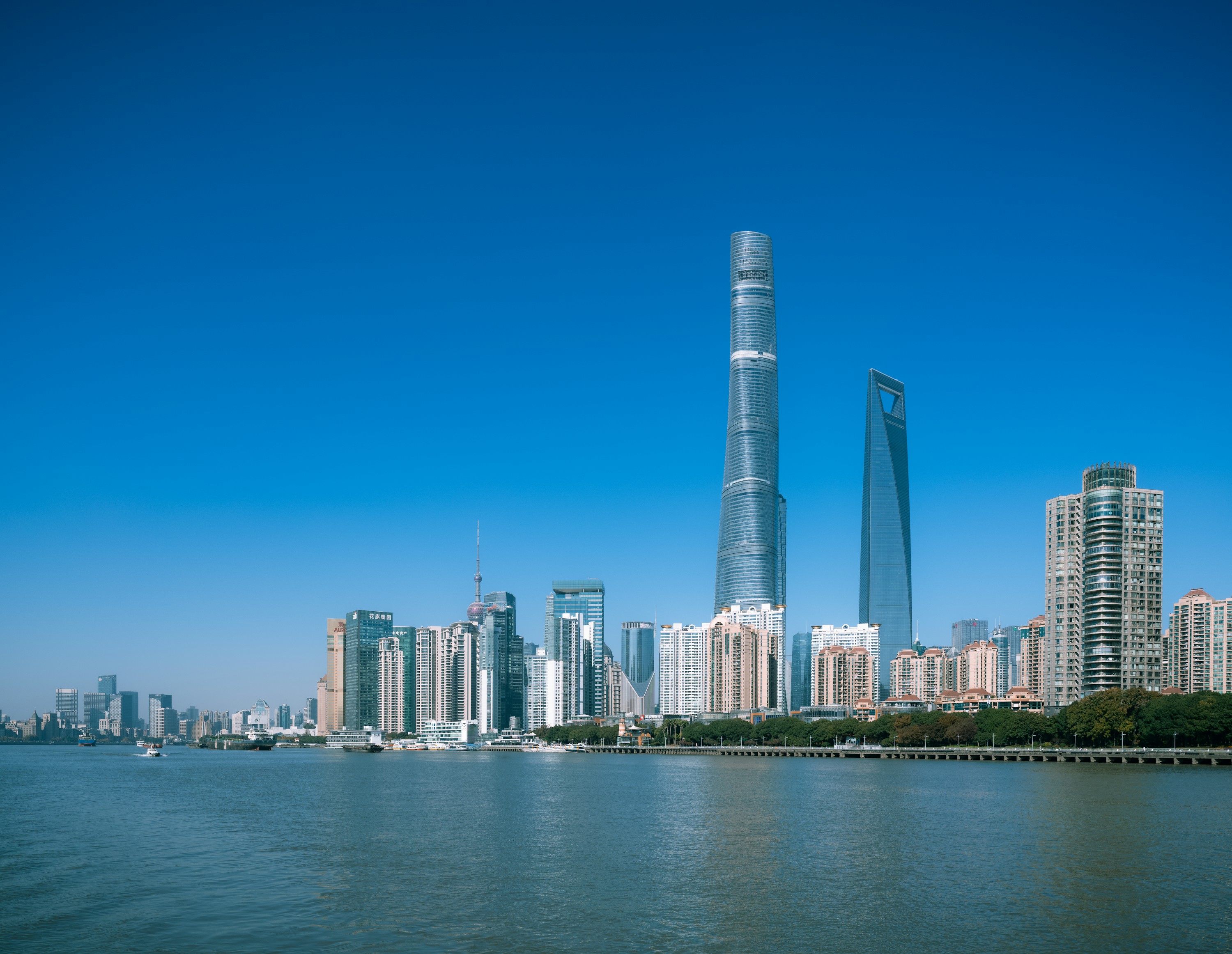
Shanghai is often introduced through one view: the Pudong towers seen from the Bund. That view belongs in a first trip, but it cannot explain the city on its own. Shanghai becomes more rewarding when you move between riverfront architecture, plane-tree streets, Chinese gardens, lane houses, contemporary art and everyday neighbourhood life.
This guide is prepared by 1st China Trip, the inbound private travel brand of 1st Landing International Travel, operated in Shanghai by 领拓国际旅行社(上海)有限公司. Our local planning team uses neighbourhood clusters and time of day to build private Shanghai routes for international visitors. The aim is to reduce unnecessary transfers and give each part of the city enough time to make sense.
How many days do you need in Shanghai?
Three days: the complete first look
Three full days can cover Shanghai’s core without turning the visit into a checklist:
- one day for the Bund, Huangpu River and Pudong contrast;
- one day for Yu Garden, the Old City and shikumen history;
- one day for the Former French Concession, a museum or gallery, and a slower evening.
This works for travellers who will continue to Beijing, Xi’an or another Chinese city. Arrival and departure days should not be counted as full sightseeing days unless the flight or train schedule leaves a reliable half day.
Four days: the better pace for most first-time visitors
A fourth day changes the quality of the trip. You can spend longer on foot in the Former French Concession, add Suzhou Creek or M50, visit a museum without sacrificing a neighbourhood, and leave room for weather or family energy levels.
For families, older travellers and anyone staying five-star, we usually recommend this version. A good hotel and a private vehicle help, but Shanghai still rewards walking. The route should alternate walking blocks with meals, rest and shorter transfers.
Five days: Shanghai plus one regional layer
Five days lets you keep four days in Shanghai and use one day for a Jiangnan extension. Suzhou suits travellers interested in classical gardens and canal-side old streets. Hangzhou adds West Lake, tea culture and a softer landscape. A water town can work for travellers who want a shorter excursion, but the choice should depend on crowd tolerance, season and the rest of the China route.
The mistake is using Shanghai as a hotel base while leaving the city every day. Keep enough time for Shanghai itself before adding regional trips.
Six layers that make Shanghai worth more than a stopover
1. The Bund and Pudong: read the city across the river
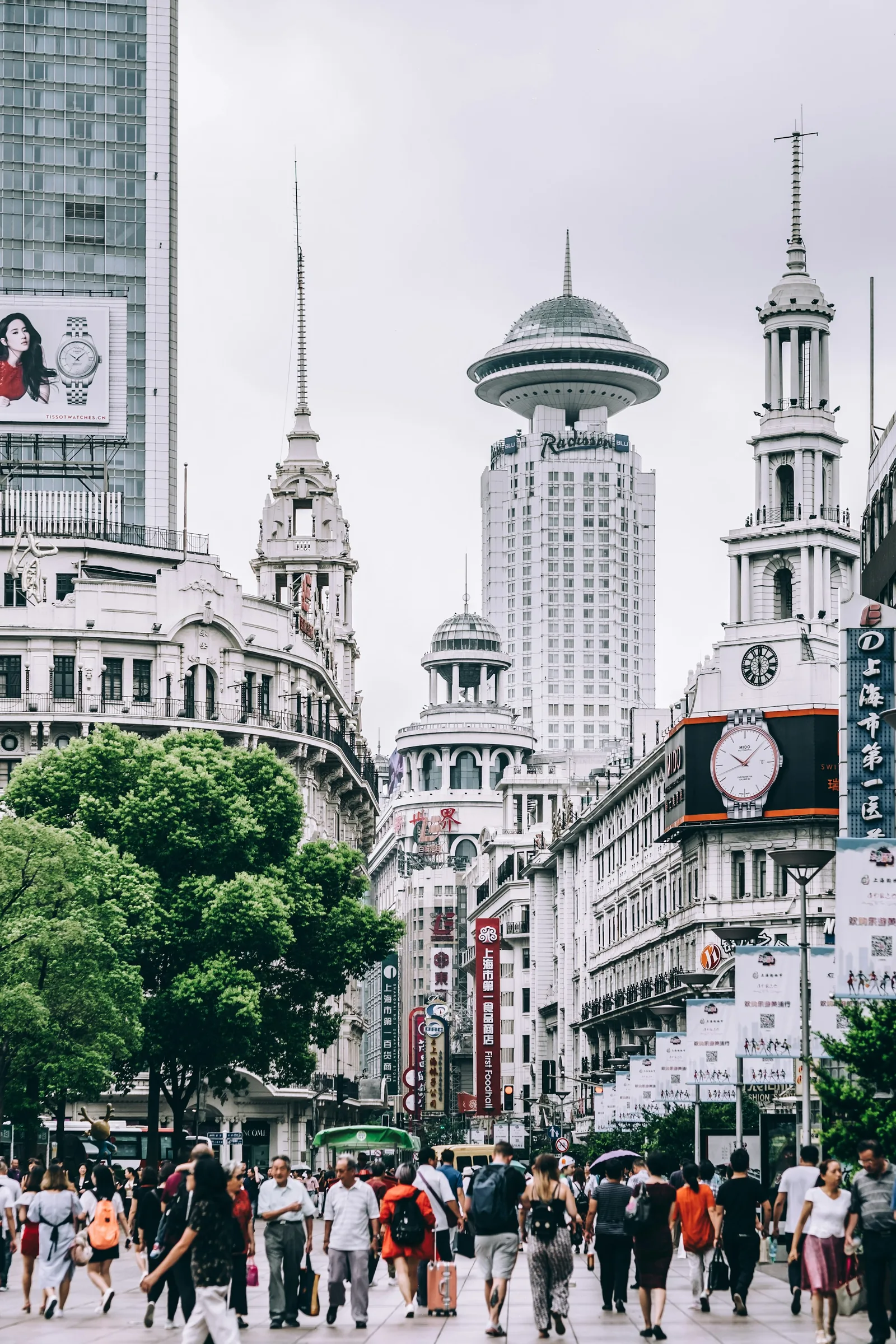
The Bund works best as a comparison rather than a photo stop. On the west bank, early twentieth-century commercial buildings line the river. Across the Huangpu, Pudong’s towers show the city’s financial and architectural transformation.
Visit once in daylight to see the buildings and river traffic, then return around dusk if the schedule allows. A ferry crossing gives you the transition between the two banks without committing to a long cruise. A private route can also place an observation deck on a clear-weather window rather than locking it to a hazy day.
Planning judgement: do not schedule the Bund, a river cruise and a high observation deck as three separate “must-sees.” They repeat the same city story. Choose two experiences and use the saved time for a neighbourhood.
2. The Former French Concession: Shanghai at walking speed
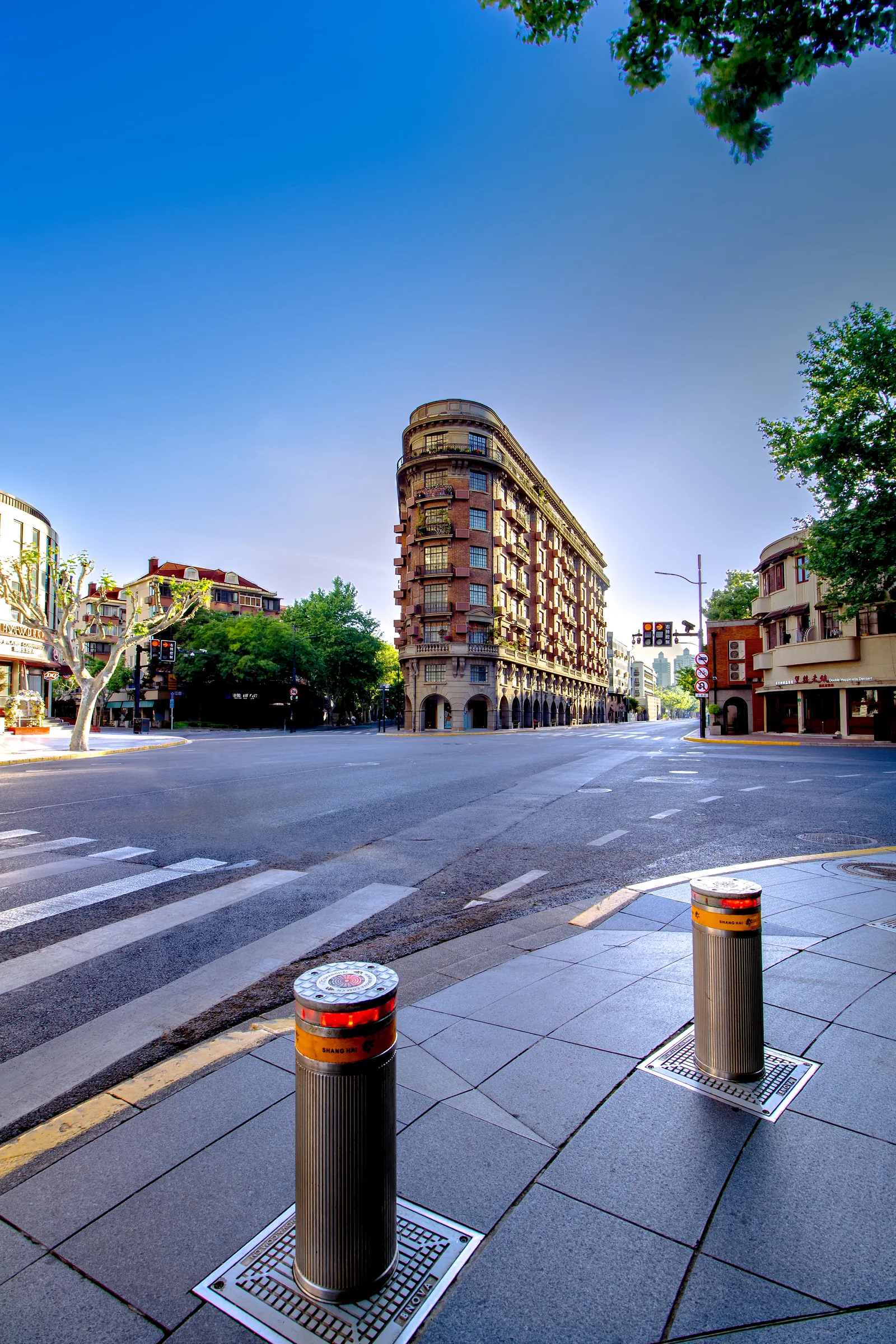
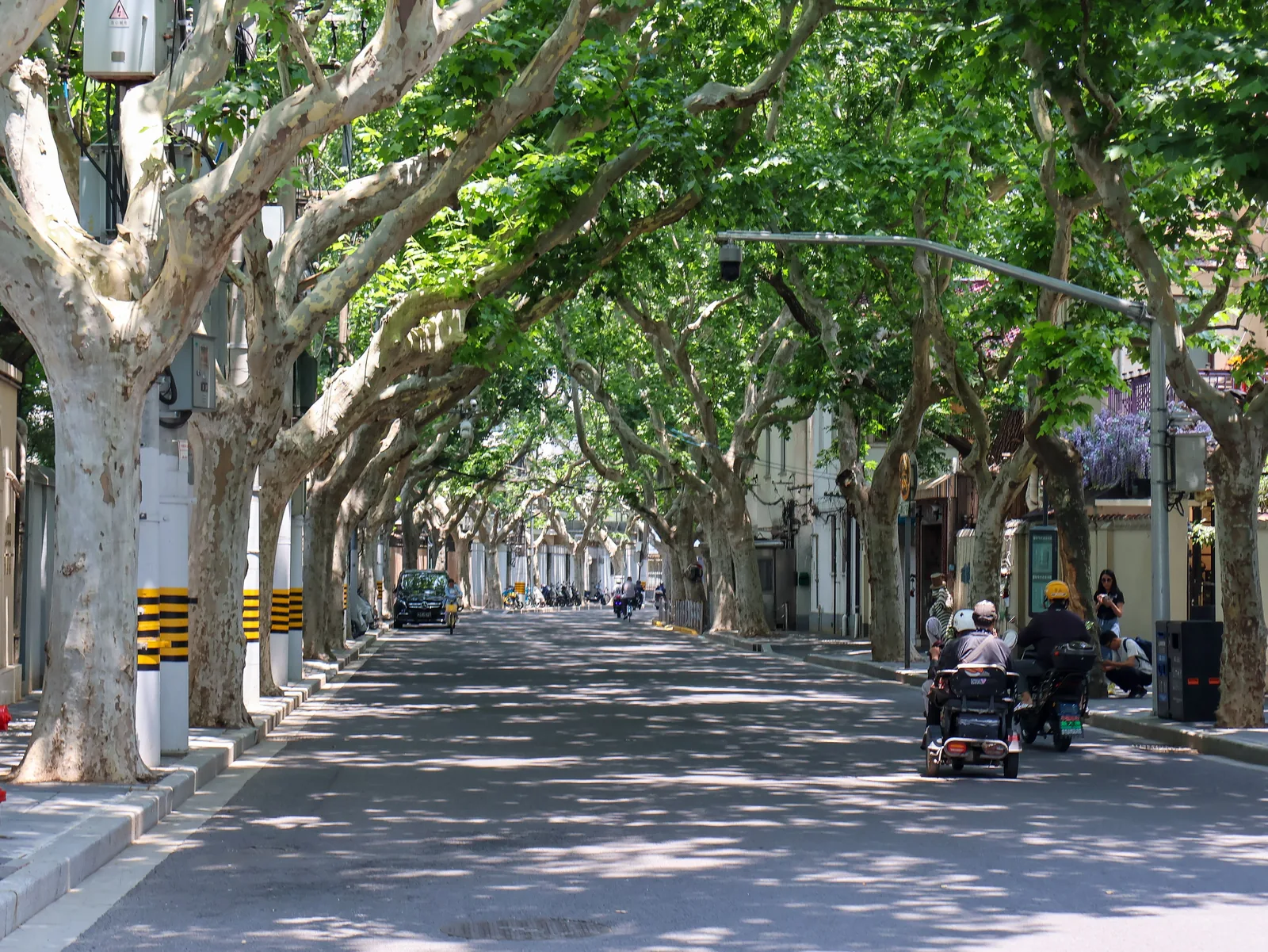
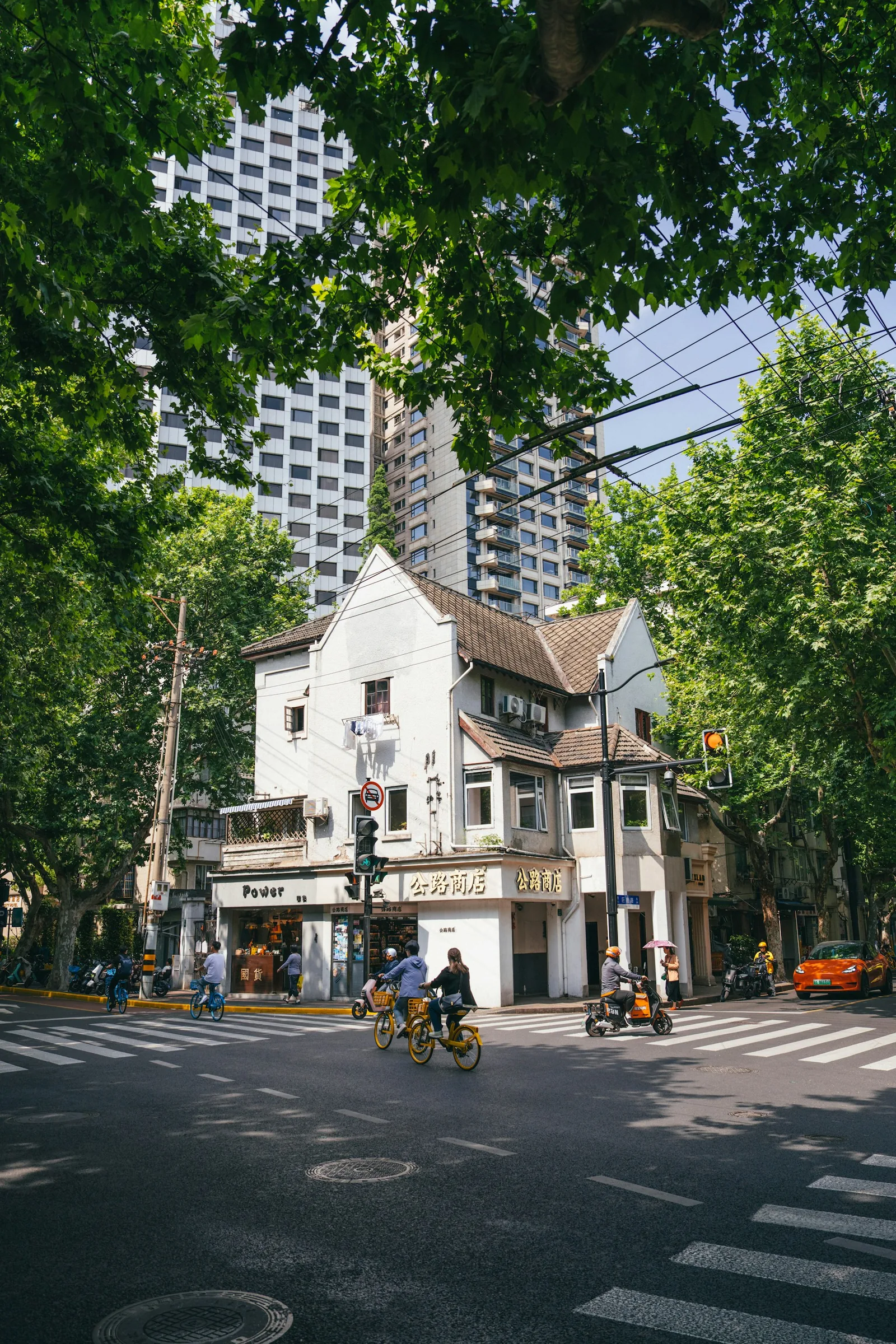
Wukang Road, Hunan Road, Fuxing West Road and the streets around Sinan Mansions show a different Shanghai. The scale drops. Plane trees, apartment buildings, former residences, cafés and small shops replace the skyline.
This area needs a route, not one pin on a map. Start with a recognised landmark such as Wukang Mansion, then move through quieter side streets and a park. Fuxing Park or Xiangyang Park adds the everyday city: dancing, exercise, conversation and shade.
Planning judgement: one or two connected walking sections are better than driving between isolated “photo spots.” Morning has softer light and less crowding. Late afternoon works well when paired with dinner nearby.
3. Yu Garden and the Old City: enter a Chinese spatial tradition
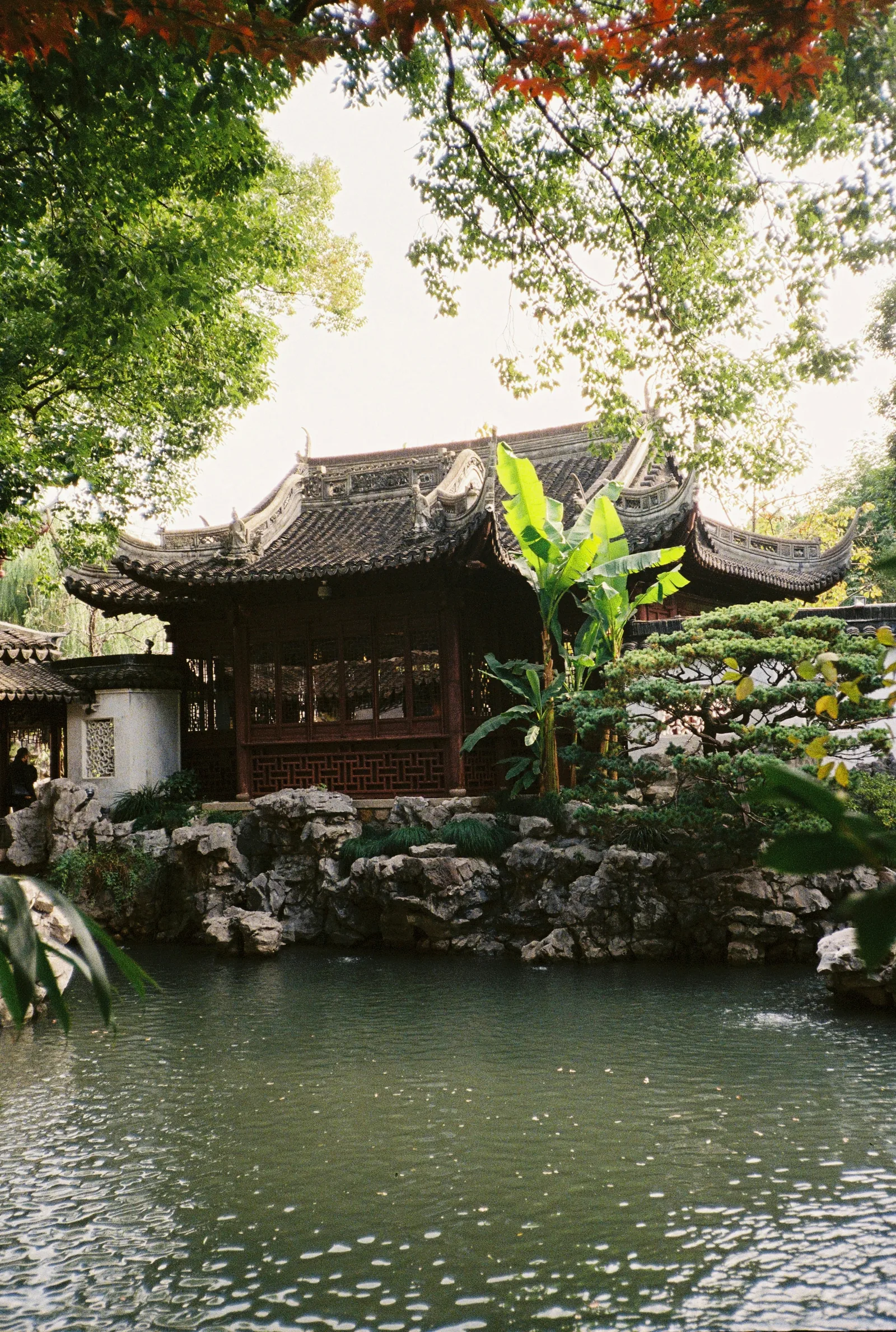
Yu Garden gives first-time visitors a compact introduction to classical garden design: framed views, rockeries, ponds, bridges and pavilions reveal themselves in sequence. The surrounding bazaar is busier and more commercial, but it helps explain how temple, market, food and old-city life developed around the garden.
Go early. Separate the garden from the shopping streets in your mind, and allow time to look rather than moving through every courtyard at the same speed. The official Shanghai tourism site includes Yu Garden among the city’s recommended attractions, while the garden’s own notices should be checked before travel for current admission arrangements.
Planning judgement: pair Yu Garden with one nearby Old City walk or food stop. Crossing the entire city immediately afterwards wastes the geographic advantage.
4. Shikumen and lilong lanes: understand how Shanghai lived
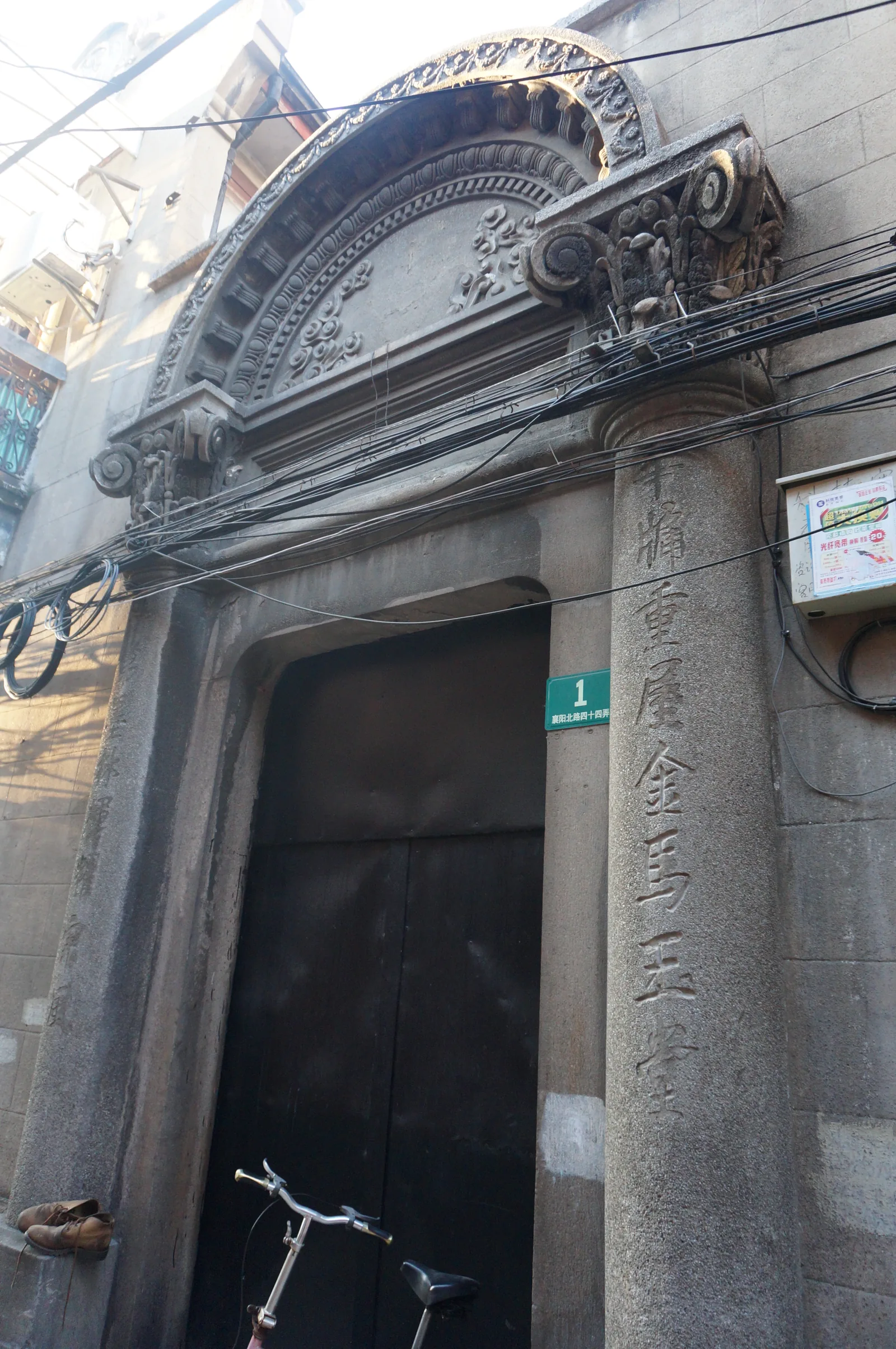
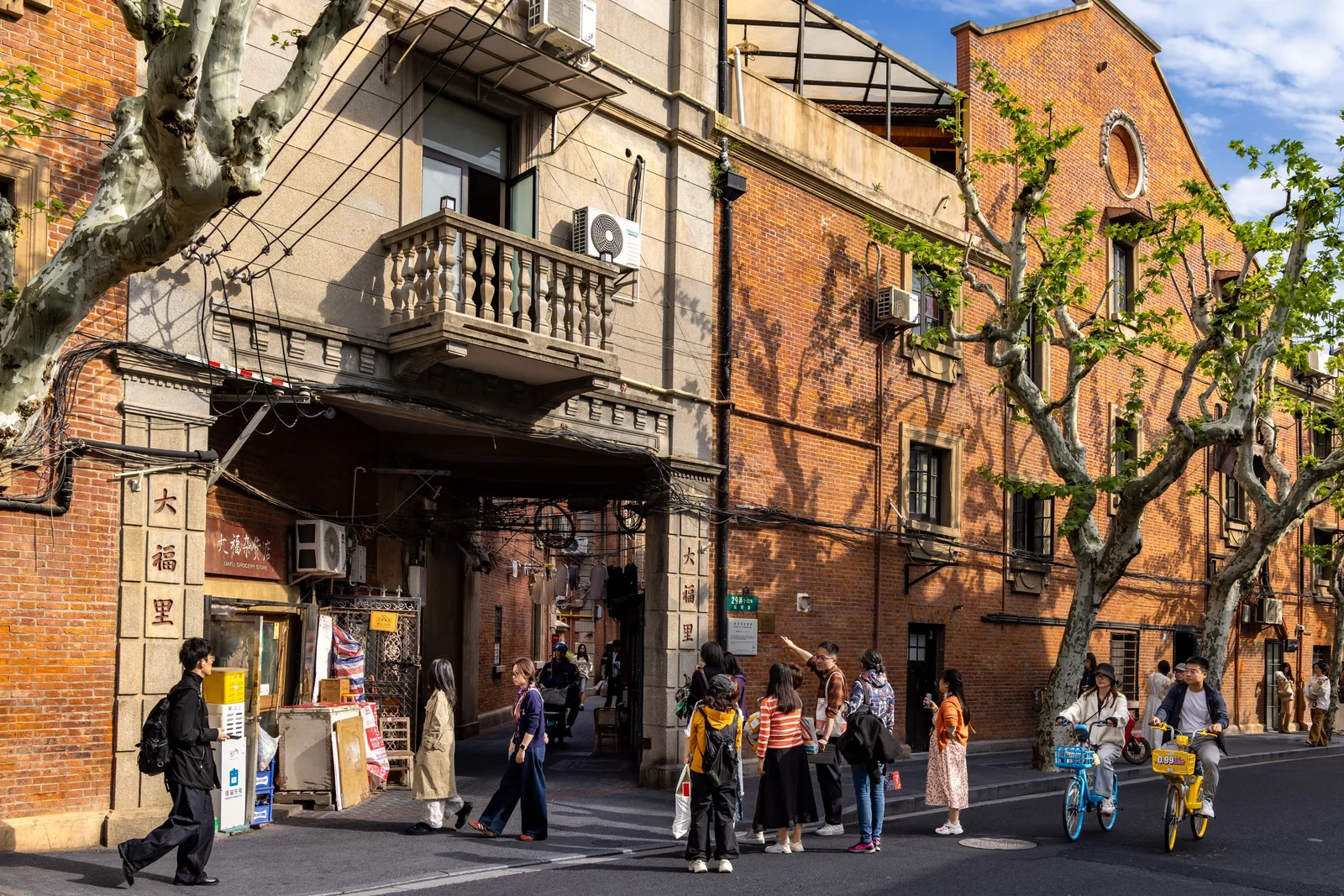
Shikumen houses combine Chinese courtyard habits with urban terrace-house forms. Their lanes, known as lilong, shaped daily life for generations of Shanghai residents.
Xintiandi offers the easiest restored introduction, with restaurants and shops inside adapted buildings. It is polished and accessible, but it should not be mistaken for a complete picture of residential Shanghai. A guide can connect it with surviving lanes, neighbourhood history or a museum so the architecture has context.
Planning judgement: use Xintiandi for accessibility, dining and a clear visual introduction. Add another lane or residential-history stop when travellers want greater depth.
5. Suzhou Creek and contemporary Shanghai: follow the city’s reuse
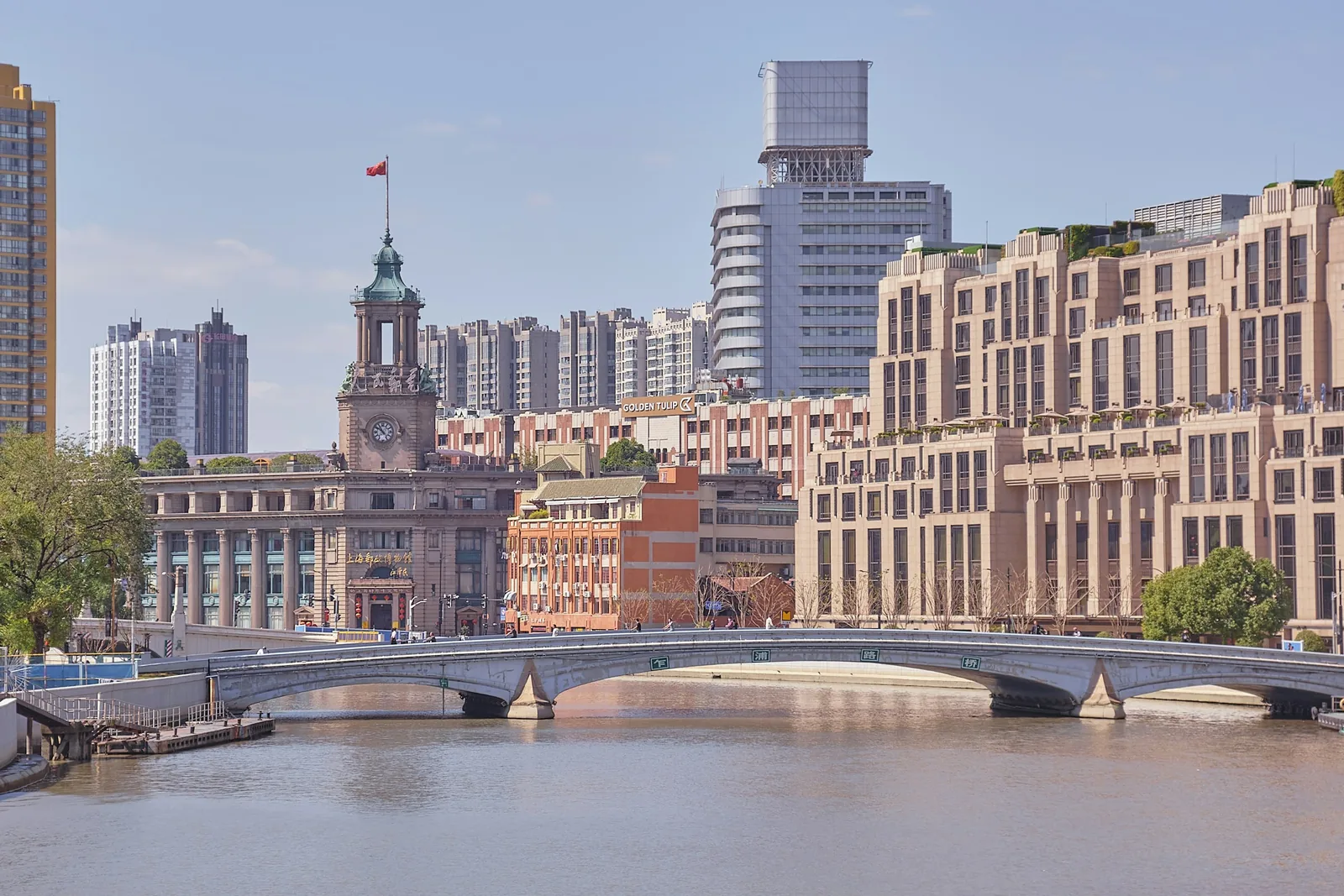
Suzhou Creek gives Shanghai a second waterfront story. Warehouses, bridges, residential blocks and new public paths show how industrial and working areas have been reused. The M50 art district can add galleries and converted factory spaces, while sections nearer the Bund connect the creek with Waibaidu Bridge and the Huangpu River.
This is a useful fourth-day choice because it feels different from the major monuments. It also suits repeat visitors, photographers and travellers interested in architecture or urban change.
Planning judgement: choose one section of the creek. Trying to “complete” the waterfront adds distance without adding much meaning.
6. Eat Shanghai by meal, not by checklist
Shanghai food makes more sense when it follows the day. Breakfast can include shengjian mantou or a simple local noodle shop. Xiaolongbao fits naturally near the Old City or another established restaurant. A more formal dinner can introduce benbang dishes such as red-braised pork, smoked fish or seasonal river ingredients.
Travellers do not need to eat every famous dish. Tell the planner about allergies, dietary restrictions, children’s preferences and comfort with local breakfast shops. A private route can use meals as rest points instead of squeezing them between attractions.
A practical 3-day Shanghai route
Day 1: Shanghai across the Huangpu
Start on the historic Bund, cross or travel along the river, then see Pudong at ground level or from one observation point. Finish around dusk with the skyline illuminated. This day gives you the city’s scale and orientation.
Day 2: Garden, Old City and shikumen
Visit Yu Garden early, walk part of the Old City, then move into a shikumen story in the afternoon. Use dinner to slow the pace. The focus is how Chinese spatial traditions and Shanghai urban housing sit inside a modern metropolis.
Day 3: Former French Concession and culture
Walk a connected route through Wukang Road and nearby tree-lined streets. Add one museum, gallery or park according to interest. Avoid ending the trip with three unrelated attractions on opposite sides of the city.
What changes on a four- or five-day version?
On day four, add Suzhou Creek, M50, a major museum, or a longer neighbourhood walk. Choose based on the traveller, not on a generic “top ten” list.
On day five, either stay in Shanghai for a lighter local day or make one regional trip. Suzhou and Hangzhou add more value when the wider China itinerary does not already include similar gardens, lakes or canal towns.
Where should first-time visitors stay?
- Bund / People’s Square: useful for classic sights, museums and a central first visit.
- Former French Concession / Jing’an: better for cafés, restaurants, evening walks and a neighbourhood atmosphere.
- Pudong / Lujiazui: convenient for business and skyline hotels, but less suitable if most sightseeing is west of the river.
Hotel quality matters, but location often saves more energy than an extra facility. Share your preferred hotel level before the route is built so the planner can judge actual transfer times.
Common first-trip mistakes
- Treating Shanghai as only the skyline. You miss the streets, gardens and housing history that make the city distinct.
- Crossing the city too many times. Cluster each day geographically.
- Visiting the Bund only at peak evening time. Daylight and dusk reveal different details.
- Adding too many day trips. Four good Shanghai days are stronger than one city day plus three rushed excursions.
- Choosing a hotel without looking at the route. A luxury room cannot remove a long daily commute.
- Ignoring weather and museum closures. Keep one indoor option and verify current arrangements before travel.
How 1st Landing plans a private Shanghai visit
The Shanghai team behind 1st China Trip starts with the traveller’s month, usable sightseeing days, group size, hotel level, walking comfort, food needs and onward cities. 1st Landing International Travel / 领拓国际旅行社(上海)有限公司 then groups sights by area, places outdoor views in better light, protects meal and rest windows, and prepares a route that can be discussed and quoted.
This approach suits international visitors, families, couples and small private groups who want English or Chinese communication and do not want a fixed shopping itinerary. The website presents mature route directions, not fixed packages or a lowest-price promise.
If Shanghai is one part of a wider first trip to China, see our Shanghai, Suzhou and Hangzhou route or use the AI trip brief assistant to organise your dates, people, hotel preference and pace before a consultant follows up.
Frequently asked questions
Is three days enough for Shanghai?
Yes, if you have three full sightseeing days and group each day by area. Four days gives most first-time visitors a better pace.
Is Shanghai good for a first trip to China?
Yes. It offers easy international access, strong hotels, modern transport and a clear mix of contemporary China, historic neighbourhoods and Jiangnan culture.
Should I take a private car everywhere?
No. A car helps with airport transfers, family comfort and some cross-city movements, but several of Shanghai’s best areas should be walked. A good private plan combines driving with connected walking sections.
Is the Former French Concession one attraction?
No. It is a broad historical area with many streets and neighbourhoods. Choose a connected walking route instead of visiting one building and leaving.
Can Shanghai be combined with Beijing?
Yes. High-speed rail and flights connect the two cities. A first trip often gives Beijing three or four days and Shanghai three or four days, with extra time for Xi’an or Jiangnan depending on the total trip length.
Sources and update note
This guide was prepared from local route-planning practice and checked against the official Shanghai tourism attraction directory, current neighbourhood guidance from Lonely Planet, and established Shanghai planning references from TravelChinaGuide. Opening times, ticket rules and temporary closures can change; confirm official notices before travel.
Prepared by 1st China Trip, supported by 1st Landing International Travel / 领拓国际旅行社(上海)有限公司. Updated 28 September 2026.